
Kai Budde, the greatest Magic player of all time, passed on January 19, 2026, at age 46—exactly 23 years after his last Pro Tour win.
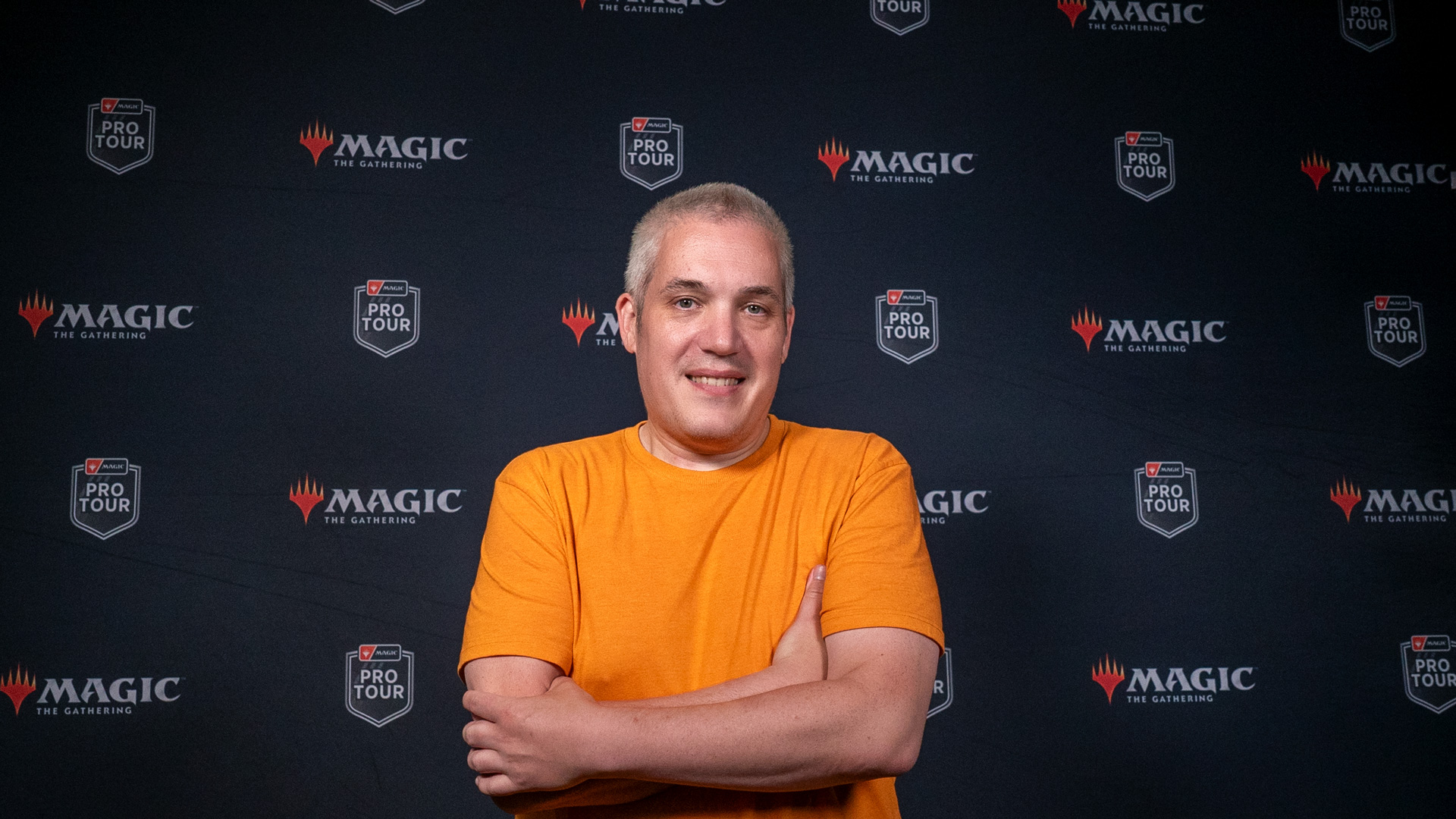
To the world, Kai was the "German Juggernaut," a force of nature who redefined what was possible in competitive Magic. To those of us who grew up in his shadow and eventually walked alongside him, he was more than a champion—he was a mentor to generations, demonstrating the value of hard work, composure under pressure, and unwavering sportsmanship.
In this article, I look through Kai's Pro Tour-winning Constructed decks and reflect on who he was, what he achieved, and why his legacy will continue to shape the Magic community for years to come.
An Unparalleled Legacy of Dominance
Kai won more Pro Tours than any other competitor in Magic history. Seven times he stood atop the game's most prestigious stage: Tokyo 1999, Chicago 2000, Barcelona 2001, New York 2001, New Orleans 2001, Boston 2002, and Chicago 2003. He also claimed seven Grand Prix victories, a record that has never been surpassed. It's difficult to imagine that anyone will ever dominate competitive Magic like that ever again.
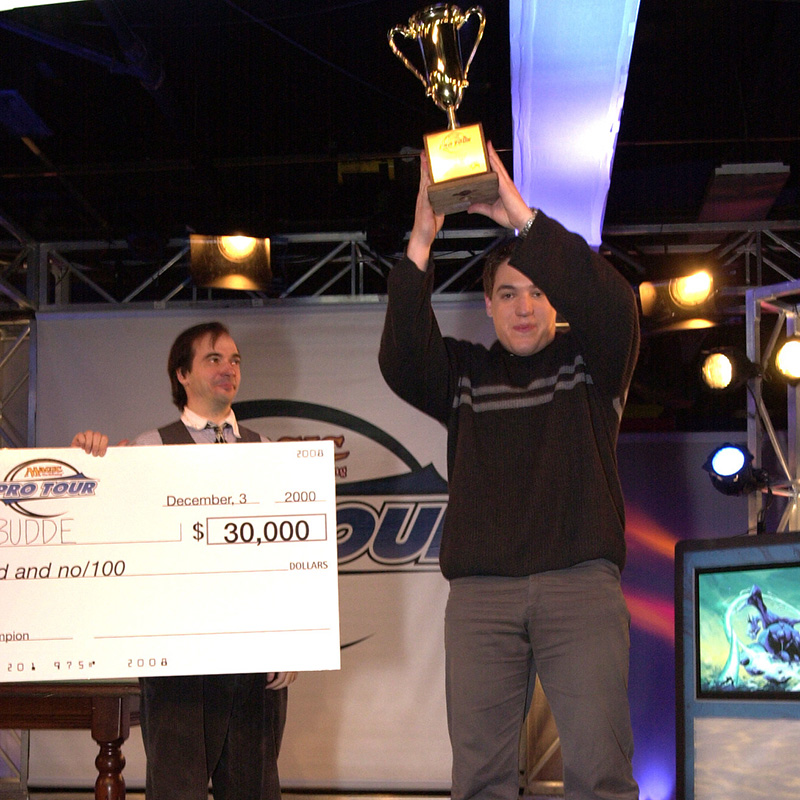
For me, watching Kai claim Pro Tour after Pro Tour during the 2000–01 season was proof that Magic was a game of skill, not luck. His consistent success at the highest level of Magic inspired me to dedicate myself to the game, put in the necessary work, and transform what began as a hobby into a pursuit of mastery.
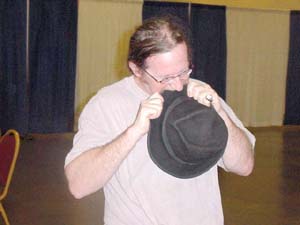
Eric Taylor eats his hat after Kai Budde won yet another Pro Tour.
For another player, as I'm sure others could relate—and this was a story Kai loved retelling—his string of victories was so preposterous that it forced them to quite literally eat their own hat. Before Pro Tour New Orleans in 2001, longtime player and columnist Eric Taylor declared on IRC that yet another Budde victory would be impossible, promising to eat his hat should Kai win again. Kai won, of course. True to his word, Eric Taylor devoured half of his headwear, aided by ketchup and a pair of scissors. It remains the ultimate testament to how thoroughly Budde shattered the expectations of what a Magic player could achieve.
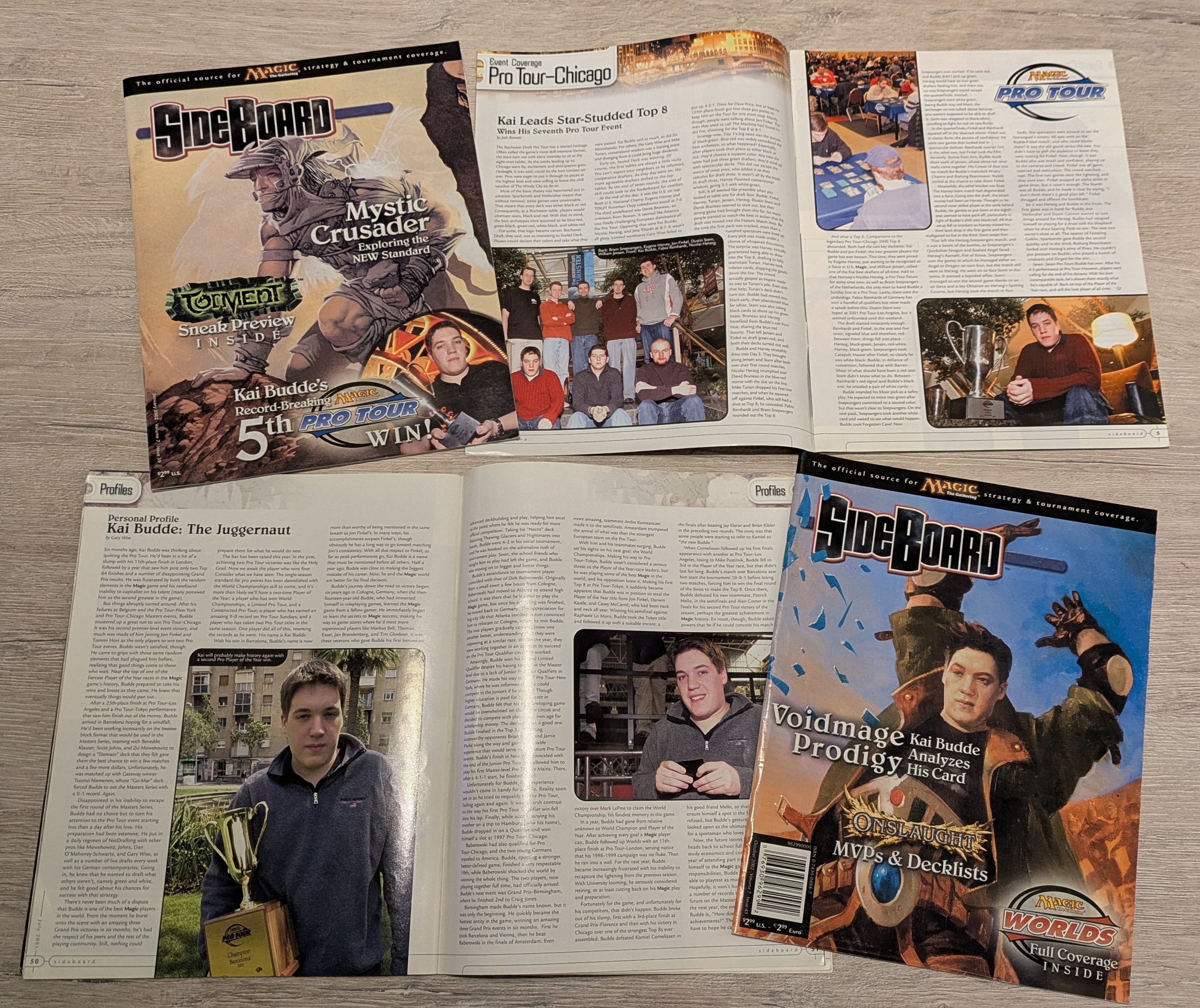
Another legendary illustration of Kai's dominance was the so-called "Budde Rule" created for that event's Fantasy Pro Tour. As announced in Sideboard, participants could select a roster of players with a total of 100 Pro Points earned over the previous year. Yet Kai had accumulated over 100 Pro Points all by himself. The solution was telling: if you selected Kai Budde, you were not allowed to pick anyone else with Pro Points. Most assumed that no single player could out-earn a diversified roster, but once again Kai proved everyone wrong.
Kai's First Pro Tour Victory in the Fastest Finals Ever
Budde's first Pro Tour victory would foreshadow his dominance that defined the next several years of competitive Magic. His record-setting Pro Tour run began in spectacular fashion in Tokyo in 1999, following Budde's victory at three Grands Prix in quick succession. He was playing a German-built, mono-red Wildfire deck that featured more than 30 artifacts and was designed to generate huge amounts of mana. This allowed him to quickly deploy threats like
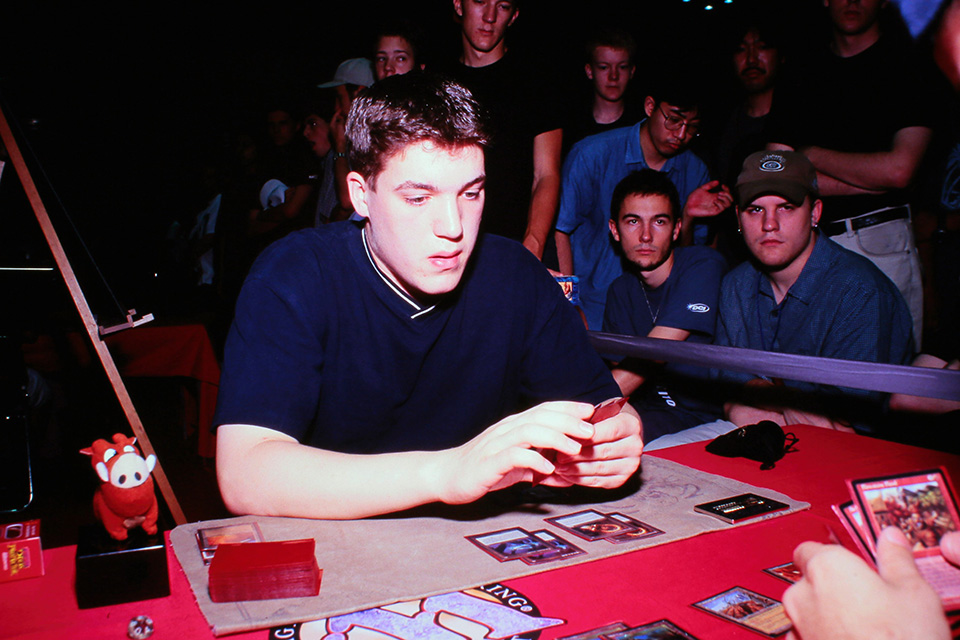
He piloted the deck with absolute mastery. In the finals, Budde defeated Mark Le Pine 3-0 in less than 20 minutes, the fastest best-of-five finals match in Pro Tour history. "The games in the finals were not close," Budde once told me, adding with characteristic humility that luck had been on his side. "I just had
The Architect of Victory
Kai would soon show that his initial success was no accident. It was the product of a revolutionary work ethic. At Pro Tour Chicago 2000, he claimed his second Pro Tour trophy with a Rebel deck that chained
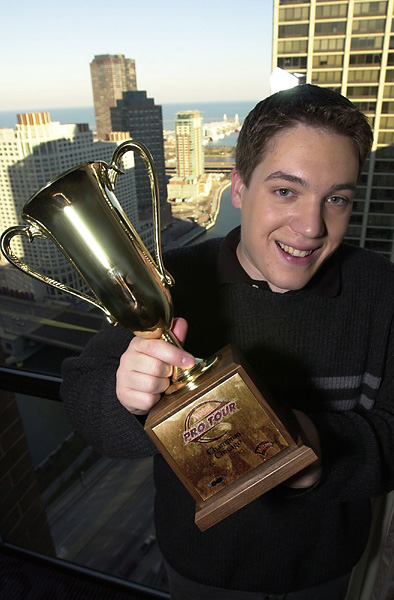
This was one of the first Pro Tours I attended as a competitor, and I witnessed Kai's triumph firsthand. While many players (myself included) had shown up relatively unprepared, still scrambling to settle on a deck the night before the event, Kai had already dedicated two months to testing with his team. That level of preparation was genuinely unusual at the time, long before testing houses became standard practice. "I do play a lot," Kai said in his post-finals interview. "I play a couple of hours every day. I like the game, I like the people, and I like traveling."
Those words, spoken by a 21-year-old Kai, resonated deeply with me as a 16-year-old and left a lasting impression. It wasn't just raw talent. Once, on a flight to an event, I looked over and saw Kai not watching a movie or resting but quietly testing an obscure matchup against himself. The fact that he put in the hours and kept winning all the time inspired me to work harder, practice more, and always enjoy the game. Through his example, Kai taught an entire generation that preparation was the greatest edge one could possess.
The Calm in the Storm
"Again?!?" read the headline in the Sideboard magazine after Kai's fifth Pro Tour victory, perfectly capturing the bemused disbelief that echoed through the hall. This time the battleground was Extended, and Kai wielded a formidable combo-control deck that used Sapphire Medallion to ramp into the infamous combo of Illusions of Grandeur and Donate. This would give him 20 life while saddling his opponent with an ever-increasing upkeep cost that would eventually cost them 20 life when they failed to pay. All of this was wrapped in a control shell with countermagic and card selection.
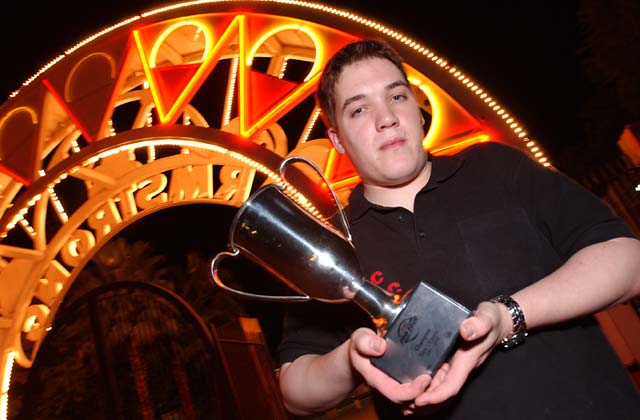
Watching the Top 8, I remember Kai's unshakable composure. He had never lost a match on a Pro Tour Sunday, and it showed. While others celebrated making the Top 8, Kai spent the night before playtesting matchups and refining his sideboard plan. During the matches themselves, he was calm, focused, and in control—organizing his board state with precision, announcing plays with certainty, and maintaining confidence throughout. Kai would later, as always, credit it to a bit of luck, but his resolve and composure under pressure became a personal anchor for me to aspire to. Even now, whenever I find myself in an important match, I think back to how Kai conducted himself.
A few months later, at Grand Prix Antwerp 2002, Kai won yet another high-level tournament. No one was surprised. What I remember most, though, is that—despite being starstruck—I managed to defeat him in the Swiss rounds. It felt like a genuine accomplishment, a confidence-boosting affirmation that maybe I belonged at this level. Even more meaningful, Kai was the consummate sportsman in our match: confident yet approachable, gracious in defeat. Combined with his extraordinary skill, those qualities made him a champion and a true role model.
A Teammate First
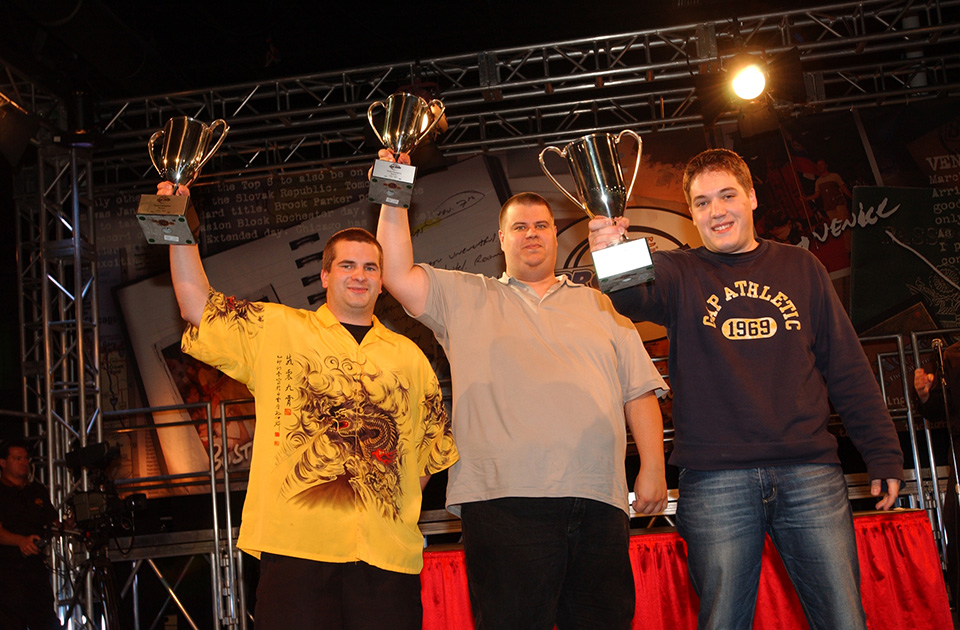
While three of Kai's Pro Tour victories came in individual Constructed formats and two came in individual Limited formats, he never forgot the value of friendship and collaboration. As part of the "Phoenix Foundation" alongside Dirk Baberowski and Marco Blume—his longtime friends from Cologne who he playtested with extensively—Kai also won two Team Limited Pro Tours.
Kai valued his teammates' success as much as his own, showing that Magic excellence is not just individual brilliance. It's also the bonds you form along the way. He approached competition with a shared sense of purpose, and he never lost that perspective even in the most grueling matches.
Patrick Mello, who lived near Kai in Hamburg and practiced with him regularly, can surely attest to this. When the two faced off in the semifinals of Pro Tour Barcelona 2001, Kai asked tournament officials if he could concede the match to Mello, believing it would mean more to his friend. That gesture was widely recognized as a measure of character from someone who wanted to be the best teammate he could be. When officials refused, there was only one thing left to do: win the whole tournament and become the first player to win three Pro Tours.
An even wilder story emerged when Budde and Mello met again in the finals of Grand Prix Lisbon 2002, this time in an
For the third game, they mutually decided to mulligan to zero cards, which mercifully put a quick end to the three-hour match. The quirky creativity of that solution has always stayed with me. It perfectly captures Kai's playfulness and his understanding that competition should never eclipse camaraderie or the joy of the game.
Beyond the Battlefield
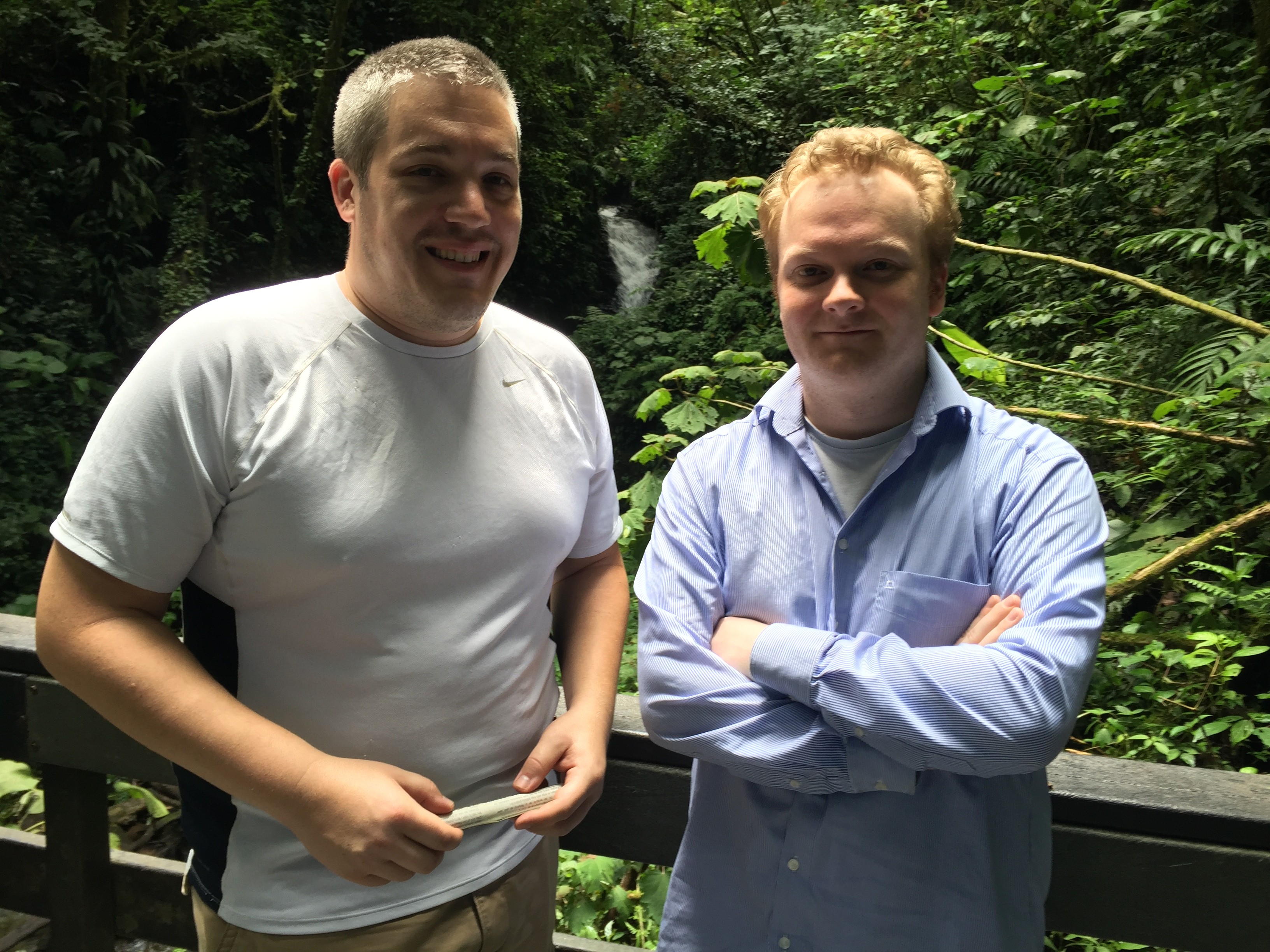
Kai's generosity and thoughtfulness extended beyond tournaments. I had the privilege of preparing for several events alongside Kai. To him, the preparation and travel days felt like a vacation—a chance to enjoy the game and, more importantly, the people who played it. With his dry German humor, Kai was always down to earth and kind to newcomers. After a day of testing, he liked chatting about sports, sharing stories, or cooking dinner. He knew he was great at Magic, but he was always driven to see those around him succeed, sharing ideas freely and pushing us all to be better.
World travel felt better when he was along. I still recall the relief I felt after a Grand Prix in Costa Rica when Kai calmly took the wheel of our car to navigate the difficult roads toward the Monteverde Cloud Forest. The same quiet, reserved confidence he showed at the table carried over seamlessly to the road; I always felt safe when Kai was leading the way.
Epilogue

Kai's extraordinary accomplishments and the kindness he showed to others culminate in an enduring legacy. Across roughly four years, Kai won seven Pro Tours and was named Player of the Year four times—a record that may never be surpassed. It's difficult to imagine anyone ever assembling a run like that again. He also won the 2001 Magic Invitational, prompting R&D to create
Having conquered everything there was to conquer, Budde slowed down in the years that followed. But he never truly stopped. With Top 8 finishes at Mythic Championship III in 2019 and Pro Tour The Lord of the Rings in 2023, Kai achieved Top Finishes across four different decades, an unparalleled feat.

Last month, when team members visited Kai with the idea of bringing a flower bouquet built from "honorable mention" cards from his career, my instincts immediately went to
If you ever want to experience Magic as it was 25 years ago, I encourage you to build any two of Kai's Pro Tour-winning decks and play them against each other. It would offer a vivid window into that era of the game while serving as a small tribute to his legacy.
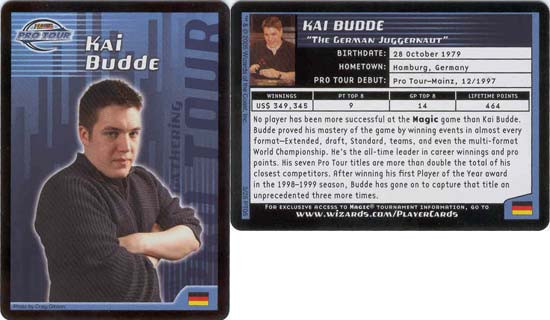
With his incredible resume, especially in the early years of the Pro Tour, Kai legitimized Magic as a competitive endeavor and a game of skill. He showed that competitive Magic rewards extensive preparation, mental fortitude, and team spirit. For competitive players of my generation, Kai was the standard we all aspired to. He was our mentor, even if he never knew it.
In his final years, as Kai faced a terminal cancer diagnosis, Wizards of the Coast renamed the Player of the Year trophy in his honor. Surrounded by his peers at Pro Tour Modern Horizons 3, the announcement was deeply emotional, with veterans of the game moved to tears. "The feeling that this game and this community has given me and being part of the Pro Tour—it's just been great," Kai said afterwards. "I can't imagine what my life would have been without playing Magic: The Gathering."
In truth, I cannot imagine what this game would have been without Kai Budde. His impact reached far beyond the table, shaping careers and memories across generations. His memory will live on, not only in the hearts and minds of his loved ones and those he inspired, but also in the Player of the Year trophy awarded each year to a player who aspired to his excellence and sportsmanship.
Kai, you showed us what greatness looks like. You will be deeply missed.